
Amit Kapoor
 0 comment
 25 Jun, 2025
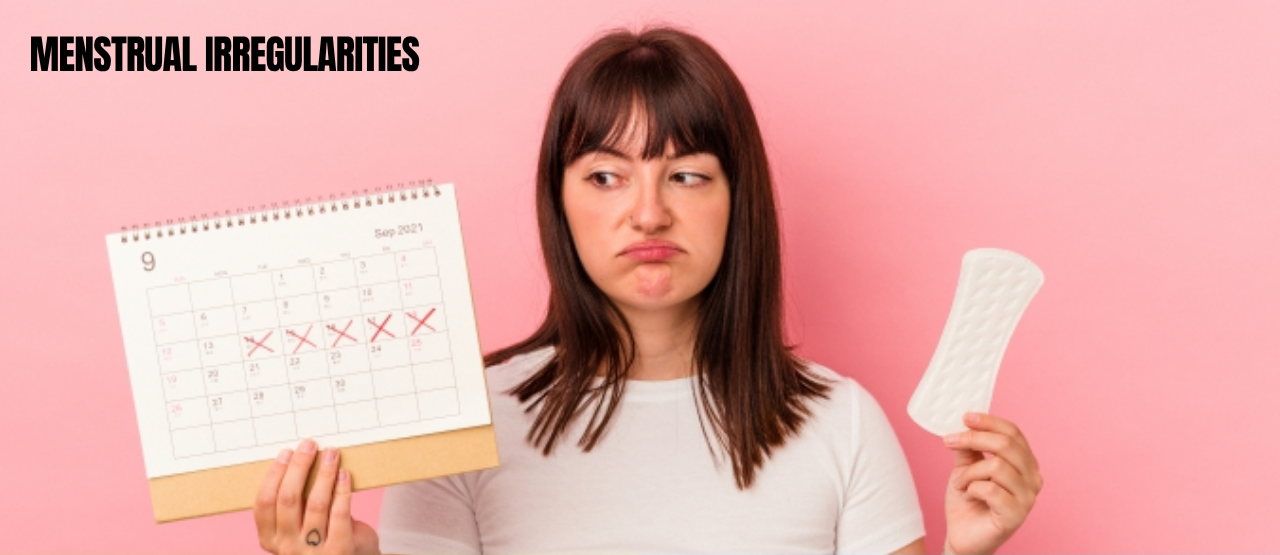
MENSTRUAL IRREGULARITIES
Welcome, dear reader. Many women face the challenge of menstrual irregularities at some point in their lives. In Traditional Chinese Medicine (TCM), these patterns are not just seen as isolated symptoms but as vital signals of the body’s internal harmony—or disharmony. In this comprehensive guide, we’ll explore menstrual irregularities through the lens of TCM, including the wisdom of Master Tung, Auricular, Balance Method, Diet, and Scalp Acupuncture. You’ll gain insights into how these ancient approaches restore balance and vitality, as well as practical advice for those considering acupuncture for the first time.
What Are Menstrual Irregularities in TCM?
In Western medicine, menstrual irregularities are defined as any deviation from a typical menstrual cycle—cycles shorter than 21 days or longer than 35 days, missed periods, unusually heavy or light bleeding, or painful periods[1][2][3]. Common types include amenorrhea (absence of periods), oligomenorrhea (infrequent periods), menorrhagia (heavy bleeding), dysmenorrhea (painful periods), and polymenorrhea (frequent periods)[1][2][3].
In TCM, these irregularities are viewed as manifestations of underlying imbalances in the body’s vital energies—Qi (vital energy), Blood, and the harmony between Yin and Yang. The Liver, Kidney, and Spleen systems are especially important in regulating menstruation. For example, Liver Qi stagnation, Blood deficiency, or Kidney Yin or Yang deficiency can all disrupt the menstrual cycle.
Benefits of Addressing Menstrual Irregularities with Acupuncture
Acupuncture and related TCM techniques offer a holistic approach to menstrual health. Benefits include:
· Restoring Hormonal Balance: Acupuncture can regulate hormone levels, particularly estrogen and progesterone, which are central to menstrual regularity[3].
· Improving Blood Flow: By addressing Blood stasis or deficiency, acupuncture helps normalize menstrual flow and reduce pain.
· Reducing Stress: Stress is a common cause of menstrual irregularities; acupuncture is known to calm the mind and reduce stress hormones[4][3].
· Enhancing Fertility: Regular cycles are essential for fertility; acupuncture supports reproductive health by harmonizing the body’s systems.
· Addressing Root Causes: Unlike Western medicine, which often focuses on symptom management, TCM seeks to correct the underlying imbalances causing irregularities.
How Acupuncture Works for Menstrual Irregularities
The TCM practitioner begins with a detailed assessment, including pulse and tongue diagnosis, and a discussion of your menstrual history, lifestyle, and emotional state. This helps identify the specific pattern of disharmony.
During a session, fine needles are inserted into carefully selected acupuncture points to regulate Qi and Blood, nourish the Kidneys, calm the Liver, and strengthen the Spleen. Techniques such as moxibustion (warming therapy), cupping, and herbal medicine may also be used.
Key goals include:
· Promoting Liver Qi Circulation: To relieve stress and tension.
· Nourishing Blood and Yin: For insufficient or scanty periods.
· Resolving Blood Stasis: For painful or clotted periods.
· Strengthening the Spleen: To manage heavy bleeding and support digestion.
Conditions Treated
Acupuncture can address a wide range of menstrual irregularities, including:
· Amenorrhea: Absence of periods.
· Oligomenorrhea: Infrequent periods.
· Menorrhagia: Heavy bleeding.
· Dysmenorrhea: Painful periods.
· Polymenorrhea: Frequent periods.
· Intermenstrual Bleeding: Spotting between periods[1][2][3].
· Premenstrual Syndrome (PMS): Emotional and physical symptoms before menstruation.
These irregularities are often linked to conditions such as polycystic ovary syndrome (PCOS), endometriosis, uterine fibroids, thyroid disorders, and stress-related hormonal imbalances[1][5][3].
Patient Stories or Testimonials
Here are five brief, anonymized case studies to illustrate the real-world impact of acupuncture for menstrual irregularities:
1. Case 1: A 28-year-old woman with PCOS and irregular cycles (every 45–60 days) received weekly acupuncture for three months. Her cycles normalized to 28–32 days, and she reported reduced stress and improved energy.
2. Case 2: A 35-year-old with painful, heavy periods (menorrhagia) and fatigue. After six sessions of acupuncture and herbal medicine, her bleeding and pain decreased significantly.
3. Case 3: A 22-year-old college student with stress-induced amenorrhea (no period for four months). Acupuncture and dietary advice restored her cycle within two months.
4. Case 4: A 40-year-old with perimenopausal symptoms, including erratic cycles and hot flashes. Acupuncture and moxibustion helped regulate her cycles and reduce symptoms.
5. Case 5: A 30-year-old with endometriosis and severe dysmenorrhea. Regular acupuncture sessions reduced her pain and improved her overall quality of life.
Acupuncture Techniques and Points
Below is a table summarizing essential acupuncture points and techniques for menstrual irregularities:
Technique/Method | Key Points/Areas | Indication |
Master Tung’s Acupuncture | 33.17 (San Cha San), 77.12 | Amenorrhea, irregular cycles |
Auricular Acupuncture | Shenmen, Uterus, Endocrine | Hormonal balance, stress relief |
Balance Method | Distal points on hands/feet | Painful periods, blood stasis |
Scalp Acupuncture | Reproductive area, Liver area | Hormonal regulation |
Body Acupuncture | SP6 (Sanyinjiao), LR3 (Taichong) | Liver Qi stagnation, blood stasis |
Moxibustion | CV4 (Guanyuan), CV6 (Qihai) | Cold uterus, blood deficiency |
Myths vs. Facts
Myth: Menstrual irregularities are always a sign of a serious health problem.
Fact: While irregularities can indicate underlying issues, they are common and often related to stress, lifestyle, or minor hormonal fluctuations[1][3].
Myth: Acupuncture is painful and only treats pain.
Fact: Acupuncture is generally gentle and can address a wide range of menstrual issues, including hormonal imbalances and stress.
Myth: You can’t get pregnant if you have irregular periods.
Fact: Ovulation can still occur during irregular cycles, so pregnancy is possible[1].
Myth: Only medications or surgery can treat menstrual irregularities.
Fact: Acupuncture and TCM offer effective, non-invasive alternatives for many women[4][5].
Tips for First-Time Patients
· Keep a Menstrual Diary: Track your cycle length, flow, and symptoms to share with your practitioner.
· Relax During Sessions: Acupuncture is most effective when you are calm and receptive.
· Discuss Your Goals: Let your practitioner know if you’re seeking relief from pain, fertility support, or cycle regulation.
· Consider Lifestyle Changes: Diet, exercise, and stress management can enhance the benefits of acupuncture.
· Be Patient: It may take several sessions to see significant changes, especially for long-standing issues.
Conclusion and Call to Action
Menstrual irregularities are a common but often misunderstood aspect of women’s health. Traditional Chinese Medicine, including acupuncture, offers a time-tested, holistic approach to restoring balance and vitality. By addressing the root causes of these irregularities, TCM can help you achieve more regular cycles, reduce discomfort, and improve your overall well-being.
If you’re struggling with menstrual irregularities, consider consulting a qualified TCM practitioner. Together, you can develop a personalized plan that honors your body’s wisdom and supports your journey to optimal health. Book a session today and take the first step toward harmony and vitality.
⁂
1. https://www.upmc.com/services/womens-health/conditions/menstrual-irregularities
2. http://www.nichd.nih.gov/health/topics/menstruation/conditioninfo/irregularities
3. https://pmc.ncbi.nlm.nih.gov/articles/PMC10733621/
4. https://my.clevelandclinic.org/health/diseases/14633-abnormal-menstruation-periods
5. https://www.texaschildrens.org/content/conditions/menstrual-irregularities


Amit Kapoor
0 comment