Amit Kapoor
 ocd
ocd
 0 comment
 13 Oct, 2025
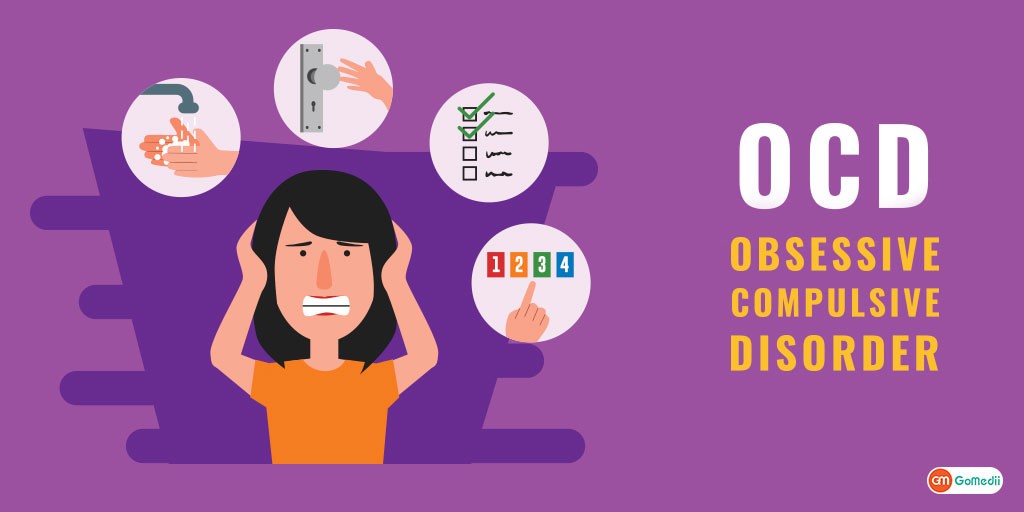
Most Powerful Treatment for OCD: A Master’s Guide to Acupuncture and TCM Approaches
Main
Takeaway:
Obsessive-Compulsive Disorder (OCD) can be profoundly influenced by deep-rooted
patterns of imbalance in Traditional Chinese Medicine. With centuries of
perfected techniques—from Master Tung’s Ah-Shi point mastery to the
balance-restoring Balance Method—TCM offers a holistic, compassionate path to
transforming obsessive thought patterns and compulsive behaviors into clarity,
calm, and vitality.
Welcome, fellow seekers of balance and harmony. In the wisdom of Traditional Chinese Medicine (TCM), every mind is inseparable from the body, and every emotion dances with qi (vital energy). Obsessive-Compulsive Disorder (OCD) in Western terms may be viewed largely through the lens of neurotransmitters and neural circuits—but in the living, breathing tapestry of TCM, OCD emerges as a disharmony of Heart, Kidney, and Liver energies, often accompanied by stagnation of qi and disturbances in Shen (spirit). Over hundreds of generations, masters have honed acupuncture, auricular therapy, dietary wisdom, and more to dissolve the chains of obsessive thoughts and ritualized compulsions. Journey now into a master’s guide to the most powerful TCM treatments for OCD, blending ancient insight with practical guidance for today’s world.
In TCM theory, health is the harmonious flow of qi through the meridians, with each of the Five Zang organs (Heart, Liver, Spleen, Lung, Kidney) contributing to physical, emotional, and spiritual balance. OCD—a condition marked by repetitive, intrusive thoughts (obsessions) and ritualized actions (compulsions)—arises from:
· Heart Spirit (Shen) Disturbance: The Heart houses the Shen, the spirit-mind. Overthinking (“Heart-fire mists the mind”) or Heart-Blood deficiency can yield anxiety-driven obsessions.
· Liver Qi Stagnation: Emotional stagnation transforms into heat, leading to persistent worries and stubborn mental patterns.
· Kidney Yin Deficiency: Root weakness in Kidney Yin fails to anchor the mind, making it overly susceptible to obsessive patterns.
· Phlegm-Fire Misting the Mind: Internal heat congeals into phlegm, clouding clear thinking and leading to compulsive rituals as misguided attempts to “clear” the mind.
Compared to Western psychology’s focus on cognitive-behavioral loops and serotonin reuptake, TCM restores balance at the organ-spirit level. By regulating qi, nourishing Yin, calming the Shen, and transforming phlegm-fire, TCM targets the root cause, not just the surface behaviors.
Benefits of Addressing OCD with Acupuncture
1. Holistic Spirit-Calming: Acupuncture soothes the Shen, alleviating anxiety at its source and restoring restful sleep.
2. Qi and Blood Regulation: By regulating Liver qi and calming Liver-fire, acupuncture removes emotional stagnation that feeds obsessions.
3. Yin-Nourishing Support: Supporting Kidney and Heart Yin anchors the spirit, reducing mental restlessness and compulsive urges.
4. Phlegm-Fire Transformation: Points that clear heat and resolve phlegm restore mental clarity without sedating the mind.
5. Gentle, Non-Pharmacological: Provides relief without side effects of SSRIs or benzodiazepines, ideal for long-term balance.
6. Comprehensive Integration: When combined with diet, auricular therapy, and lifestyle adjustments, acupuncture fosters lasting resilience.
A master TCM practitioner begins by:
· Inquiry: Detailed questions on obsessive content, ritual frequency, sleep, digestion, and emotional triggers.
· Tongue & Pulse: Observing a red or pale tongue with greasy coating suggests phlegm-fire or Yin deficiency; a wiry pulse indicates Liver stagnation, a thin pulse points to Yin/Blood deficiency.
· Palpation: Abdominal or back-shu point tenderness may localize stagnation or deficiency patterns.
1. Calm the Shen (Anshen): Anchor the Heart spirit.
2. Smooth Liver Qi (Xie Gan): Dispel stagnation.
3. Nourish Yin and Blood (Yang Yin, Bu Xue): Strengthen root.
4. Clear Phlegm-Fire (Hua Tan, Qing Huo): Dissolve mental fog.
5. Harmonize Mind and Body (Huan Shen): Integrate body’s systems.
· Main Points: Selected based on pattern differentiation (see table below).
· Master Tung’s Ah-Shi Points: Used to energetically “unlock” knots of stagnation along channels.
· Balance Method: Quick-release distal points to harmonize torso–limb qi channels, rapidly calming emotional storms.
· Scalp Acupuncture (Jiao Scalp Lines): Specific areas for Shen disturbance to regulate cortical activity.
· Auricular Therapy: Ear seed or needle application on Shenmen, Kidney, Liver to reinforce systemic balance.
· Moxibustion or Cupping: When cold or stagnation symptoms dominate.
Conditions and Symptoms Treated
Though OCD is a unified Western diagnosis, TCM addresses each individual’s pattern. Common linked presentations include:
· Repetitive intrusive thoughts (contamination, checking, symmetry)
· Ritualized behaviors (hand-washing, counting, ordering)
· Anxiety, panic attacks, heart palpitations
· Sleep disturbances (insomnia, restless sleep)
· Digestive issues (bloating, poor appetite)
· Sensitivity to cold or heat
· Generalized tightness in chest, abdomen, or head
Five Case Studies: Real-World Impact
1. Case A: The Checker
o Pattern: Heart-Blood deficiency with phlegm misting the mind
o Treatment: Heart 7, Kidney 3, Sishencong scalp points, Auricular Shenmen
o Outcome: After 8 sessions, nightly sleep improved, checking rituals halved.
2. Case B: The Cleaner
o Pattern: Liver Qi stagnation transforming into heat
o Treatment: Liver 3, Gallbladder 34, Master Tung point 3 for head, Balance Method
o Outcome: Obsessive hand-washing dropped from hourly to twice daily after 6 sessions.
3. Case C: The Counter
o Pattern: Kidney Yin deficiency with empty heat
o Treatment: Kidney 6, Heart 7, Spleen 6, moxa on Kidney back-shu, scalp Shen area
o Outcome: Counting rituals reduced by 70%; reported calm clarity during work.
4. Case D: The Symmetry Seeker
o Pattern: Phlegm-dampness obstructing clear mind
o Treatment: Spleen 9, Stomach 40, Transform Phlegm scalp line, auricular Kidney
o Outcome: Ordering behaviors eased; feelings of mental flow restored.
5. Case E: The Scrutinizer
o Pattern: Mixed Qi stagnation and Blood deficiency
o Treatment: Liver 3, Heart 7, Master Tung 2 and 7, cupping on Bladder channel
o Outcome: After 12 sessions over 2 months, intrusive thoughts diminished to occasional.
Acupuncture Techniques and Key Points
|
TCM Pattern |
Points & Techniques |
Rationale |
|
Heart-Blood Deficiency |
Heart 7 (Shenmen), Pericardium 6, Spleen 6, Master Tung Ah-Shi around chest area |
Nourish Blood, calm Shen |
|
Liver Qi Stagnation |
Liver 3, Gallbladder 34, Pericardium 6, Balance Method (LI4–LV3 pairing) |
Soothe Liver, relieve emotional stagnation |
|
Kidney Yin Deficiency |
Kidney 3, Kidney 6, Heart 7, Sishencong, moxa on Kidney back-shu |
Nourish Yin, anchor spirit |
|
Phlegm-Fire Misting the Mind |
Stomach 40, Spleen 9, Governing Vessel 26 (Master Tung), scalp phlegm lines |
Transform phlegm, clear heat |
|
Mixed Qi Stagnation & Blood Deficit |
Liver 3, Heart 7, Spleen 6, GB20, Master Tung 2, gentle cupping |
Simultaneous regulation and nourishment |
Myth: Acupuncture is only for pain relief.
Fact: Acupuncture profoundly
influences the mind-body axis, regulating neurotransmitter analogues of qi to
calm obsessive loops.
Myth: OCD must be fixed with lifelong
medication.
Fact: Many patients achieve
sustained remission through periodic acupuncture and lifestyle support,
reducing or eliminating medication dependency.
Myth: TCM is unscientific.
Fact: Modern studies confirm
acupuncture’s effect on the autonomic nervous system, HPA axis, and
neurotransmitters, aligning with TCM’s qi-flow principles.
· Set Clear Intentions: Share your patterns, frequency, and emotional impact fully with your practitioner.
· Stay Hydrated & Rested: Proper fluid balance supports smooth qi flow during and after sessions.
· Keep a Symptom Diary: Note ritual intensity, anxiety levels, and sleep quality to track progress.
· Combine with Mindfulness: Gentle meditation alongside acupuncture deepens Shen-calming.
· Be Patient: TCM unfolds gradually; most see shifts around session 4–6, with cumulative benefits over months.
OCD, in the TCM frame, is not a fixed destiny but an invitation to restore harmony among Heart, Liver, and Kidney energies. With precise acupuncture, auricular therapy, and targeted lifestyle adjustments, one can dissolve phlegm-fire, soften Liver stagnation, and anchor the Shen in a calm, clear space. Embrace this integrated path: schedule a consultation with a certified TCM practitioner, explore tailored acupuncture protocols, and witness the shift from compulsion to freedom. The power to transform lies within—allow ancient wisdom to guide modern healing and rediscover the clarity of a truly balanced mind.


Amit Kapoor
0 comment