Amit Kapoor
 Tongue diagnosis, Traditional Chinese Medicine (TCM), Tongue color, Tongue shape, Tongue coating, Tongue moisture, Tongue map, Zang Fu organs, Meridians, Qi (energy), Blood (Xue), Yin and Yang, Tongue body, Tongue spirit/vitality, Tongue cracks, Tongue size (swollen, thin), Tongue regions (tip, center, sides, root), Triple Burner (San Jiao), Pulse diagnosis, Diagnostic techniques, Internal organ health, Balance method, Acupuncture points, TCM diagnostic tools, Tongue inspection
 0 comment
 23 Jun, 2025
Introduction
Welcome, seekers of health and harmony. For centuries, masters of Traditional Chinese Medicine (TCM) have gazed at the humble tongue—not merely as a muscle for taste and speech, but as a living map of the body’s inner landscape. Today, as we blend ancient wisdom with modern science, tongue diagnosis remains a cornerstone of holistic assessment, guiding acupuncturists to the root of imbalance and illuminating the path to wellness.
What is Tongue Diagnosis in TCM?
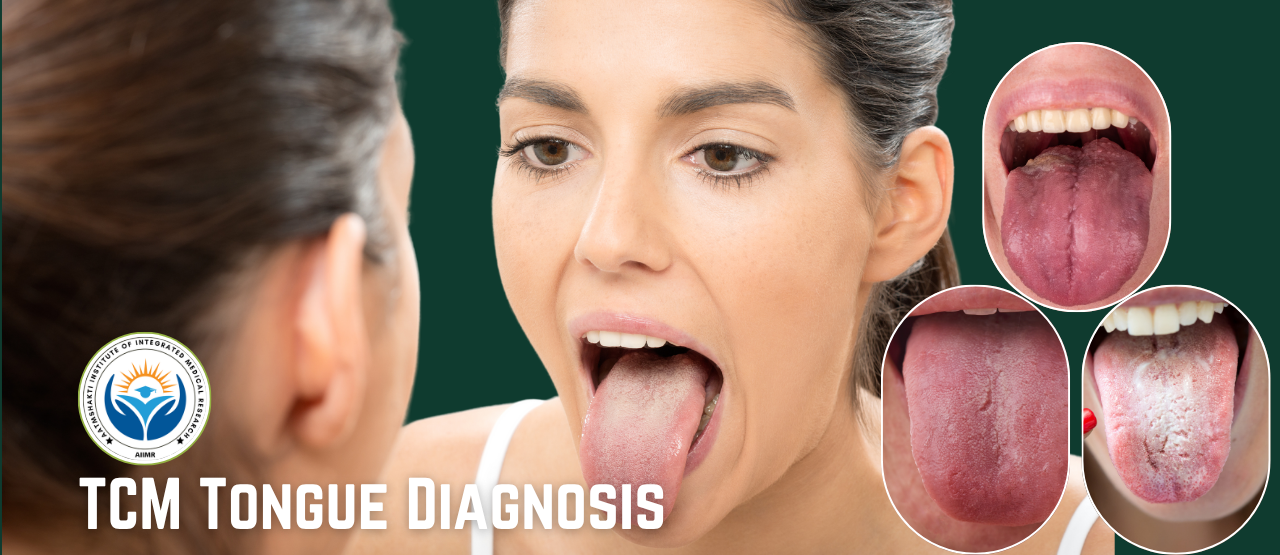
Tongue diagnosis is a unique and essential diagnostic tool in TCM, used to assess the state of the internal organs, Qi (vital energy), blood, and body fluids. Unlike Western medicine, which often focuses on laboratory tests and imaging, TCM practitioners rely on direct observation of the tongue’s color, shape, coating, and moisture to gain insight into a patient’s health. The tongue is seen as a microcosm of the body, reflecting the condition of the Zang-Fu organs through its various regions—each mapped to specific organ systems.
Benefits of Addressing Imbalances with Acupuncture
· Early Detection: Subtle changes in the tongue can reveal imbalances before symptoms fully manifest, allowing for preventative care.
· Personalized Treatment: Tongue diagnosis helps practitioners tailor acupuncture, herbal, and dietary therapies to each individual’s unique constitution and needs.
· Holistic Healing: By addressing underlying patterns—such as Qi deficiency, blood stasis, or dampness—acupuncture restores harmony and promotes lasting vitality.
· Progress Tracking: Changes in the tongue’s appearance over time provide a visual record of healing and guide adjustments in treatment.
How Acupuncture Works for Tongue Diagnosis Patterns
During your first session, your acupuncturist will ask you to gently extend your tongue for a few seconds. They will observe:
· Color: Indicates temperature imbalances (heat, cold) and blood quality.
· Shape and Size: Swelling, thinness, or teeth marks suggest fluid metabolism or Qi/blood deficiencies.
· Coating: Thickness and color reveal digestive strength and the presence of pathogens.
· Moisture and Texture: Dryness or excessive wetness points to Yin or Yang imbalances.
· Cracks, Spots, or Papules: Indicate chronic issues, organ weakness, or heat.
Based on these observations, acupuncture points and techniques are selected to address the root pattern—whether it’s nourishing Yin, clearing heat, moving blood, or resolving dampness.
Conditions Treated
Tongue diagnosis helps identify and treat a wide range of conditions, including:
· Digestive disorders (bloating, constipation, indigestion)
· Fatigue and chronic tiredness
· Anxiety, insomnia, and emotional imbalances
· Menstrual irregularities
· Immune dysfunction and frequent colds
· Chronic pain and inflammation
Patient Stories
Case 1: A woman with chronic fatigue presented with a pale, swollen tongue marked by teeth indentations. After several acupuncture sessions focused on strengthening the Spleen and Qi, her energy improved, and her tongue returned to a healthy pink.
Case 2: A man suffering from insomnia and anxiety showed a red-tipped tongue with little coating. Treatment to calm the Heart and nourish Yin led to better sleep and a more balanced tongue appearance.
Acupuncture Techniques and Key Tongue Diagnosis Points
Tongue Area | Organ System | Common Points Used | Typical Imbalance |
Tip | Heart, Lungs | HT7, LU9, Shenmen (ear) | Anxiety, insomnia, palpitations |
Center | Stomach, Spleen | ST36, SP6, Zhongwan (Ren12) | Digestive issues, fatigue |
Sides | Liver, Gallbladder | LV3, GB34, Taichong (ear) | Irritability, PMS, headaches |
Root/Base | Kidneys, Bladder | KI3, BL23, Shenmen (scalp) | Lower back pain, edema, libido |
Myths vs. Facts
Tips for First-Time Patients
· Avoid brushing or scraping your tongue on the day of your appointment.
· Refrain from eating or drinking colored foods (coffee, tea, sweets) beforehand.
· Relax and stick your tongue out for only a few seconds at a time.
· Trust your practitioner’s expertise—tongue diagnosis is just one piece of the holistic puzzle.
Conclusion and Call to Action
The tongue is more than a muscle—it’s a living reflection of your body’s inner harmony. By embracing the wisdom of tongue diagnosis, you open the door to truly personalized, preventative, and effective care. If you’re curious about what your tongue reveals or wish to experience the benefits of acupuncture and TCM, reach out to a qualified practitioner and begin your journey toward vibrant health. Your body’s story is waiting to be told—let us help you read it.
⁂
1.


Amit Kapoor
0 comment