Amit Kapoor
 0 comment
 25 Jun, 2025
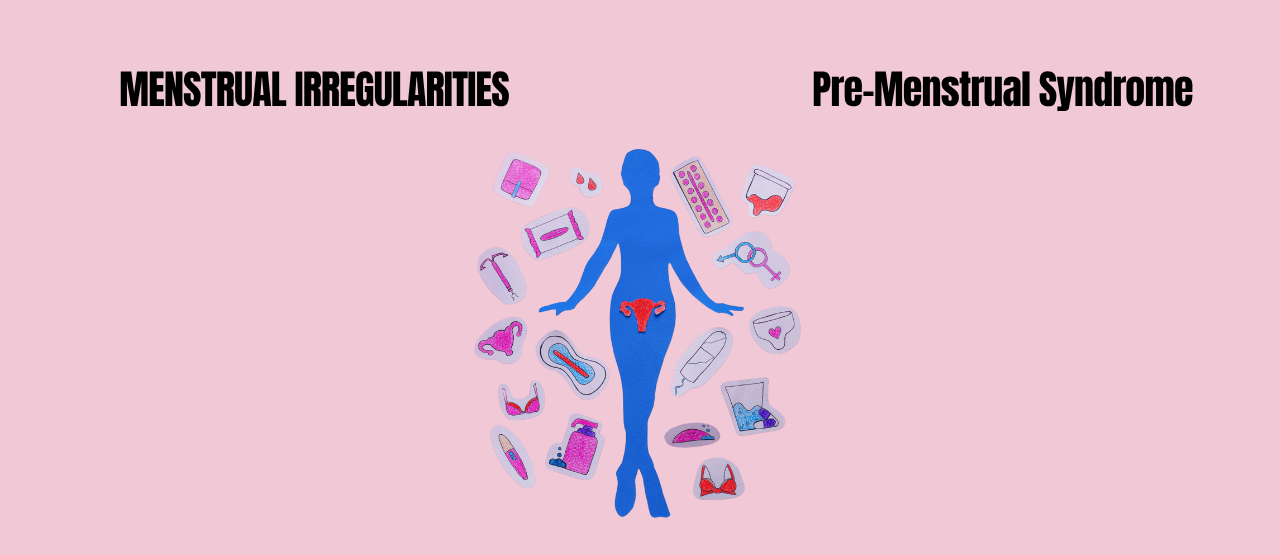
Traditional Chinese Medicine and Menstrual Irregularities: Pre-Menstrual Syndrome
Traditional Chinese Medicine and Menstrual Irregularities: Pre-Menstrual Syndrome
Introduction
Welcome, dear reader, to a journey through the ancient wisdom of Traditional Chinese Medicine (TCM) as it relates to one of the most common yet misunderstood experiences for women: pre-menstrual syndrome (PMS). As a seasoned practitioner, I invite you to explore how TCM offers not just relief but deep healing for the cyclical discomforts that many face each month. Drawing from Master Tung’s, Auricular, Balance Method, and Scalp Acupuncture traditions, as well as the rich tapestry of TCM dietary and lifestyle guidance, we will uncover how this holistic system restores harmony where Western medicine often sees only symptoms.
What is Pre-Menstrual Syndrome (PMS) in TCM?
In the Western medical paradigm, PMS is defined as a cluster of physical, emotional, and behavioral symptoms occurring in the luteal phase of the menstrual cycle, typically one to two weeks before menstruation. Symptoms include mood swings, irritability, abdominal bloating, breast tenderness, headaches, and fatigue[1][2]. However, TCM views PMS—and menstrual health in general—through a radically different lens.
TCM regards the menstrual cycle as a vital sign of a woman’s overall health, reflecting the balance of qi (vital energy), blood, and the harmony between yin and yang[3]. Menstrual irregularities, including PMS, are seen as manifestations of underlying imbalances—most commonly involving the Liver, Heart, and Spleen systems.
The tian gui or “heavenly water” is the TCM term for the menstrual blood, which arises when the ren (Conception) and chong (Penetrating) channels are filled with qi and blood, respectively, and is rooted in jing—the inherited essence governing reproduction and growth[3]. The mind-body connection is fundamental: the Heart houses the shen (spirit/mind), governs the blood, and is connected to the uterus and ovaries via the bao mai (Uterus vessel)[3]. This explains why emotional stress and mental strain can directly impact menstrual function.
Benefits of Addressing PMS with Acupuncture and TCM
TCM offers a powerful, natural approach to managing PMS by:
· Restoring Qi and Blood Flow: Acupuncture and herbs help move stagnant qi and blood, alleviating pain, bloating, and emotional symptoms[1][4].
· Balancing Emotions: By regulating the Liver and Heart systems, TCM reduces irritability, mood swings, and depression[1][5].
· Regulating Hormonal Cycles: TCM treatments support the hypothalamic-pituitary-ovarian axis, promoting regular, symptom-free cycles[3][6].
· Preventing Future Imbalances: Early intervention with TCM can address the root causes of PMS, preventing more severe menstrual disorders[7][4].
How Acupuncture Works for PMS
The TCM diagnostic process for PMS is individualized. Your practitioner will assess your pulse, tongue, and symptoms to identify patterns such as Liver Qi stagnation, Blood deficiency, or Dampness accumulation[3][1]. Treatment is tailored to your unique constitution and symptoms.
During a typical session, fine needles are inserted at specific acupuncture points to regulate qi and blood flow. The most commonly used points include SP6 (Sanyinjiao), LV3 (Taichong), LI4 (Hegu), and GV20 (Baihui)[6][4][5]. These points are chosen for their ability to move qi, calm the spirit, and harmonize the reproductive system.
Sessions are usually scheduled 2–3 times per week initially, tapering as symptoms improve. Many patients report significant relief within a few cycles[8][7].
Conditions Treated: Common Symptoms and Patterns
PMS in TCM is not a single entity but a constellation of patterns, each with its own set of symptoms:
· Liver Qi Stagnation: Irritability, mood swings, breast tenderness, abdominal distension, and pain that is worse with pressure[3][1][5].
· Blood Stasis: Dark, clotted menstrual blood, severe pain, and a wiry pulse[3][9].
· Spleen Qi Deficiency: Fatigue, bloating, loose stools, and heavy menstrual flow[3][9].
· Heart Qi Imbalance: Emotional instability, insomnia, anxiety, and palpitations[3][1].
· Kidney Deficiency: Irregular cycles, low back pain, and infertility[9][10].
Patient Stories or Testimonials
Here are five anonymized case studies illustrating the real-world impact of TCM on PMS:
1. Case A: A 32-year-old woman with severe mood swings and breast tenderness found relief after six weeks of acupuncture targeting Liver 3 and SP6. Her symptoms diminished by 80%, and she no longer dreads her premenstrual phase[8].
2. Case B: A 28-year-old with debilitating cramps and clots experienced significant pain reduction after herbal therapy and weekly acupuncture sessions. Her cycle became regular, and her energy improved[7].
3. Case C: A 40-year-old with insomnia and anxiety before her period responded well to a combination of auricular acupuncture and dietary adjustments. Her sleep and mood stabilized within two cycles[6].
4. Case D: A 25-year-old with irregular cycles and fatigue benefited from a regimen of moxibustion and scalp acupuncture. Her cycles normalized, and her energy returned[9][10].
5. Case E: A 35-year-old with PMS-related migraines and nausea found lasting relief with Master Tung’s points and lifestyle counseling. She now manages her symptoms with minimal intervention[8][7].
Acupuncture Techniques and Points for PMS
Below is a table summarizing the most effective acupuncture points and techniques for PMS:
Point Name | Location | Main Effect | Technique/Method |
SP6 (Sanyinjiao) | Inner calf, 3 cun above ankle | Regulates blood, harmonizes uterus | Needling, moxibustion |
LV3 (Taichong) | Top of foot, between 1st/2nd toe | Moves Liver Qi, relieves pain | Needling, acupressure |
LI4 (Hegu) | Back of hand, thumb/index finger | Regulates Qi, relieves pain | Needling, acupressure |
GV20 (Baihui) | Top of head, midline | Calms spirit, lifts mood | Needling, scalp |
Ren3, Ren4 | Lower abdomen | Regulates uterus, nourishes blood | Needling, moxibustion |
These points can be used alone or in combination, depending on the individual’s pattern[6][4][5].
Myths vs. Facts
Let’s clarify some common misconceptions about PMS and TCM:
· Myth: PMS is just “bad moods” and not a real medical issue.
o Fact: PMS is a recognized cluster of symptoms with both physical and emotional components, often severe enough to disrupt daily life[11][12].
· Myth: All women experience PMS.
o Fact: While common, not every woman experiences PMS. About 3 in 4 women report some symptoms, but severity varies widely[11][12].
· Myth: TCM is only for chronic conditions.
o Fact: TCM is effective for both acute and chronic issues, including menstrual irregularities and PMS[10].
· Myth: Acupuncture is painful and unsafe.
o Fact: Acupuncture is generally safe and well-tolerated, with minimal side effects when performed by a qualified practitioner[13][10].
Tips for First-Time Patients
If you’re new to acupuncture and TCM for PMS, here are some practical tips:
· Keep a Symptom Diary: Track your symptoms, cycle, and emotional state to help your practitioner tailor your treatment[2].
· Be Open About Your Health: Share your medical history, medications, and lifestyle habits for a holistic approach.
· Expect Multiple Sessions: Improvement often takes a few cycles. Consistency is key[8][7].
· Try Acupressure at Home: Stimulate points like LV3 and SP6 for relief between sessions[5][14].
· Embrace Lifestyle Changes: Diet, exercise, and stress management enhance the effects of TCM[11][2].
Conclusion and Call to Action
PMS is more than just a monthly inconvenience—it is a signal from your body that something is out of balance. Traditional Chinese Medicine, with its millennia of accumulated wisdom, offers a gentle yet powerful path to restoring harmony and vitality. Whether through acupuncture, herbal medicine, or lifestyle adjustments, TCM empowers you to take control of your menstrual health and live your life to the fullest.
If you are struggling with PMS or menstrual irregularities, I encourage you to seek guidance from a qualified TCM practitioner. Your journey to balance and well-being begins with a single step—book your consultation today and discover the profound healing that TCM can bring.
⁂
1. https://www.orientalremediesgroup.com/physicians-guide-to-manage-and-relieve-pms/
2. https://www.columbiadoctors.org/health-library/condition/premenstrual-syndrome-pms/
3. https://www.herbalreality.com/condition/menstrual-health-traditional-chinese-medicine-perspective/
4. https://www.bodywithsoul.com/articles/tcm_pms/
5. https://selbyacupuncture.com/wellness-blog/top-two-acupressure-points-for-pms/
6. https://yosan.edu/wp-content/uploads/2018/11/The-Efficacy-of-Traditional-Chinese-Medicine-on-Reducing-Premenstrual-Syndrome-and-Premenstrual-Dysphoric-Disorder-Stacy-Welch.pdf
7. https://www.nwhealth.edu/blog/acupuncture-period-pain-and-pms/
8. https://jlsdcnd.com/acupuncture-for-pms-say-goodbye-to-monthly-discomfort/
9. https://www.orientalremediesgroup.com/can-tcm-help-with-irregular-menstruation/
10. https://www.totalwellnesscentre.ca/resources/2024/11/6/10-myths-about-traditional-chinese-medicine
11. https://www.newh-obgyn.com/blog/myths-and-facts-about-pms
12. https://helloclue.com/articles/cycle-a-z/top-3-pms-myths
13. https://pmc.ncbi.nlm.nih.gov/articles/PMC6513602/
14. https://www.aiam.edu/massage-therapy/pressure-points-for-period-cramps/


Amit Kapoor
0 comment